

Therapy Approaches
The Holistic Therapy Co. offers a range of integrative, evidence-based approaches to support teenagers, young adults, and adults in individual therapy. I am committed to tailoring treatment to each person’s unique needs, creating a supportive and collaborative environment where healing, growth, and thriving can take place.
-
is a nervous system informed approach that helps individuals understand how their bodies respond to stress, safety, and connection. By increasing awareness of nervous system states, clients can learn to recognize patterns of activation, develop greater emotional regulation, and build a stronger sense of safety within themselves and in relationships. This approach supports healing by working with the body's natural capacity for resilience, connection, and recovery.
-
is incorporated when experiences feel stored in the body or remain emotionally “stuck.” This approach supports the processing of traumatic or overwhelming memories through both bilateral stimulation and body-based awareness, helping the nervous system complete responses that were previously interrupted.
-
is a central lens in understanding inner experience. Rather than viewing symptoms as problems to eliminate, we explore different “parts” of the self. Such as protectors, critics, or younger emotional parts with curiosity and compassion, helping to build internal cooperation and healing.
-
informs how I understand relational patterns, especially how early experiences shape expectations around safety, closeness, trust, and connection. In session, this often shows up as working with relational templates that emerge in both past and present relationships.
-
is used to help identify and shift unhelpful thought patterns, beliefs, and behaviors that may be reinforcing distress. Together, we look at how thoughts, emotions, and actions interact, and build practical strategies for creating more flexibility, clarity, and self-support in daily life.
-
skills are woven in to strengthen emotional regulation, distress tolerance, interpersonal effectiveness, and mindfulness. These tools are especially helpful when emotions feel intense, rapid, or difficult to manage in relationships.
-
are integrated throughout treatment to support present-moment awareness, emotional regulation, and the ability to observe internal experience without immediate reaction or judgment. This helps create space between impulse and response, especially during moments of activation.

EMDR Therapy
Eye Movement Desensitization and Reprocessing (EMDR) is an evidence-based therapy that helps individuals process and heal from traumatic experiences, distressing life events, anxiety, and other emotional challenges. During EMDR therapy, we work together to identify experiences, beliefs, emotions, and body sensations that may still be impacting your present-day life. Using bilateral stimulation, such as eye movements, tapping, or auditory tones, the brain is supported in reprocessing these experiences in a way that reduces emotional distress and allows for healthier integration. The goal is not to erase memories, but to help them feel less overwhelming, while fostering greater emotional regulation, self-awareness, and resilience. EMDR can help individuals move beyond feeling stuck in past experiences and create space for new perspectives, healing, and lasting change.
Click here to read The American Psychological Association article of EMDR Therapy and its benefits.
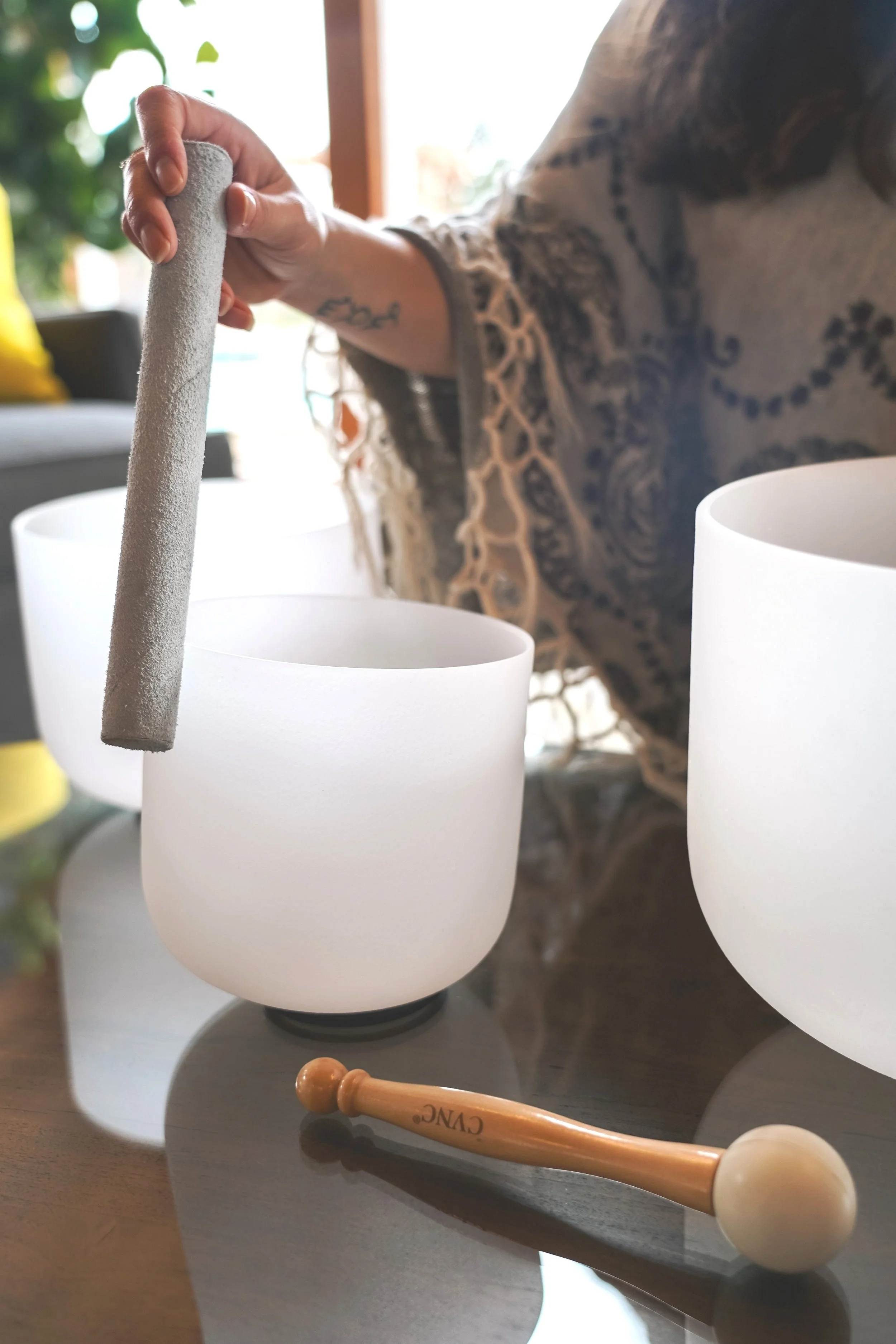
Energy Work
The Holistic Therapy Co offers healing sessions using crystal sound bowls support balance and well-being. Crystal sound bowls are made from pure quartz and produce soothing vibrational frequencies that help calm the nervous system, release energetic blockages, and promote deep relaxation. These sound vibrations can gently guide the body and mind into a meditative state, supporting emotional clarity and stress relief. I have experience playing sound bowls for retreats, events, and individual sessions, creating a tailored and immersive healing environment for each setting. This modality offer a gentle yet powerful healing experience that nurtures inner peace, promotes energetic alignment, and supports overall holistic well-being.